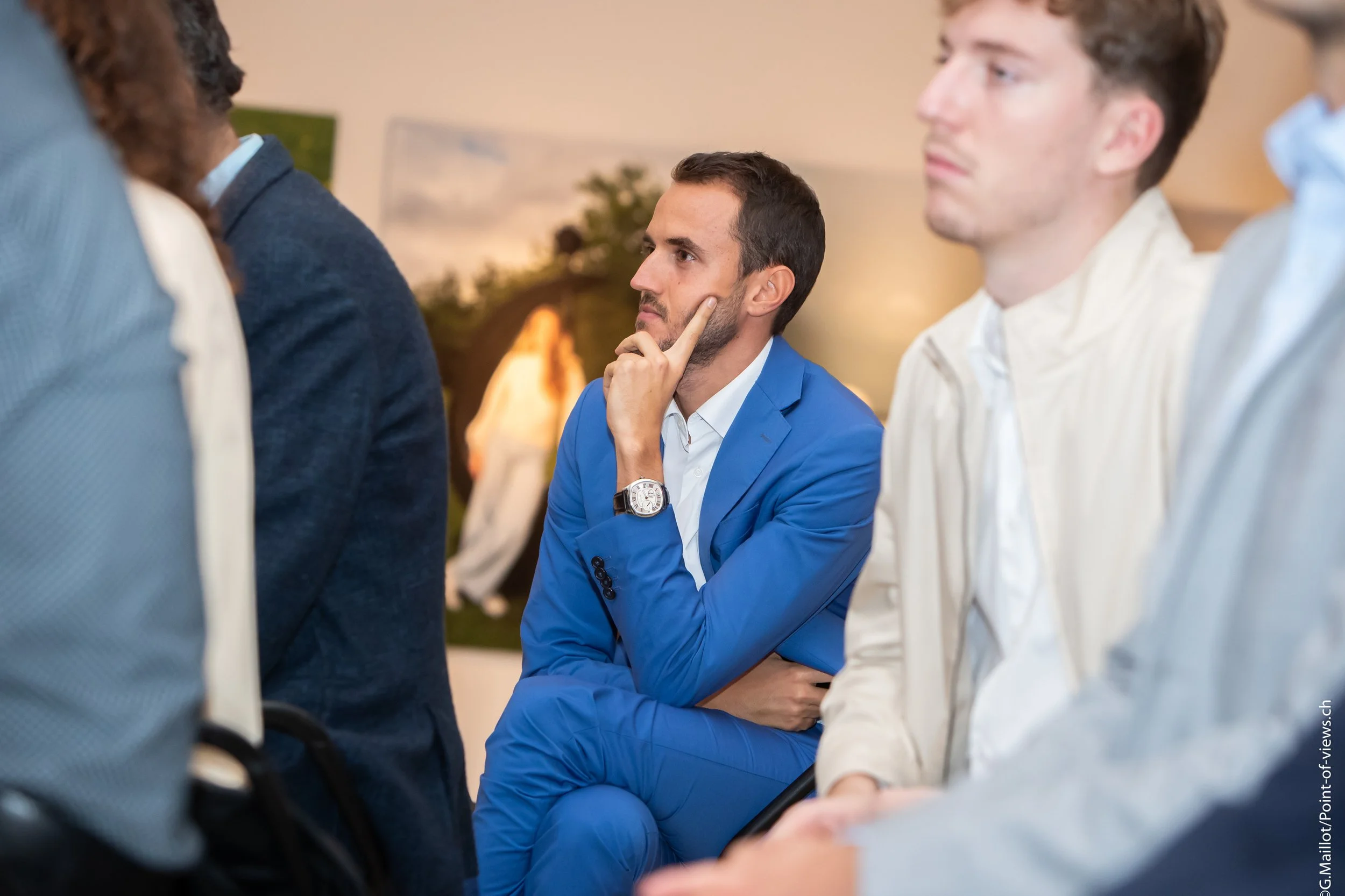
Fiorenzo Manganiello
“Signals of the Future”
Venture Investing and the Rise of Digital Culture
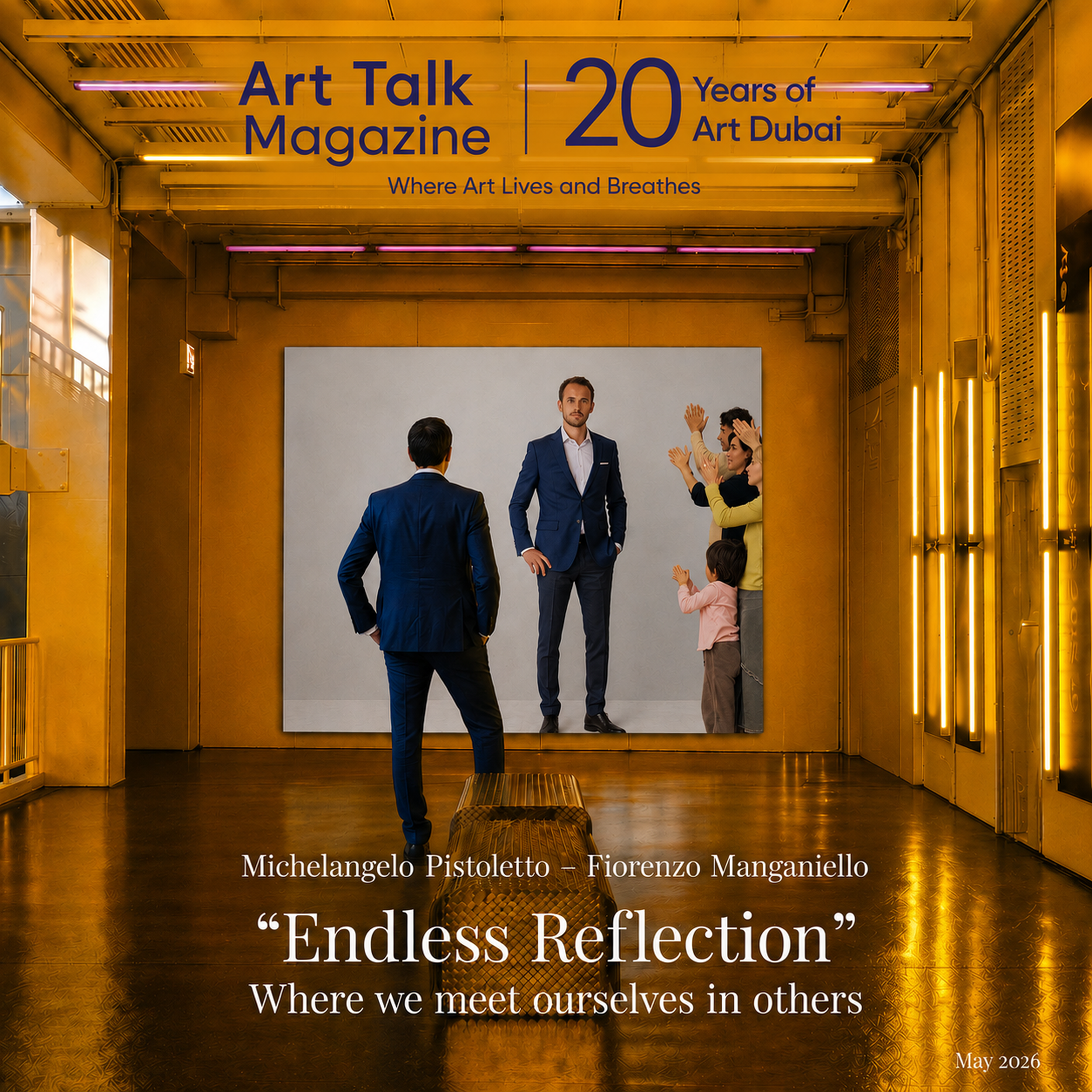
Fiorenzo Manganiello
Signals of the Future
Venture Investing, Art, and the Architecture of Tomorrow
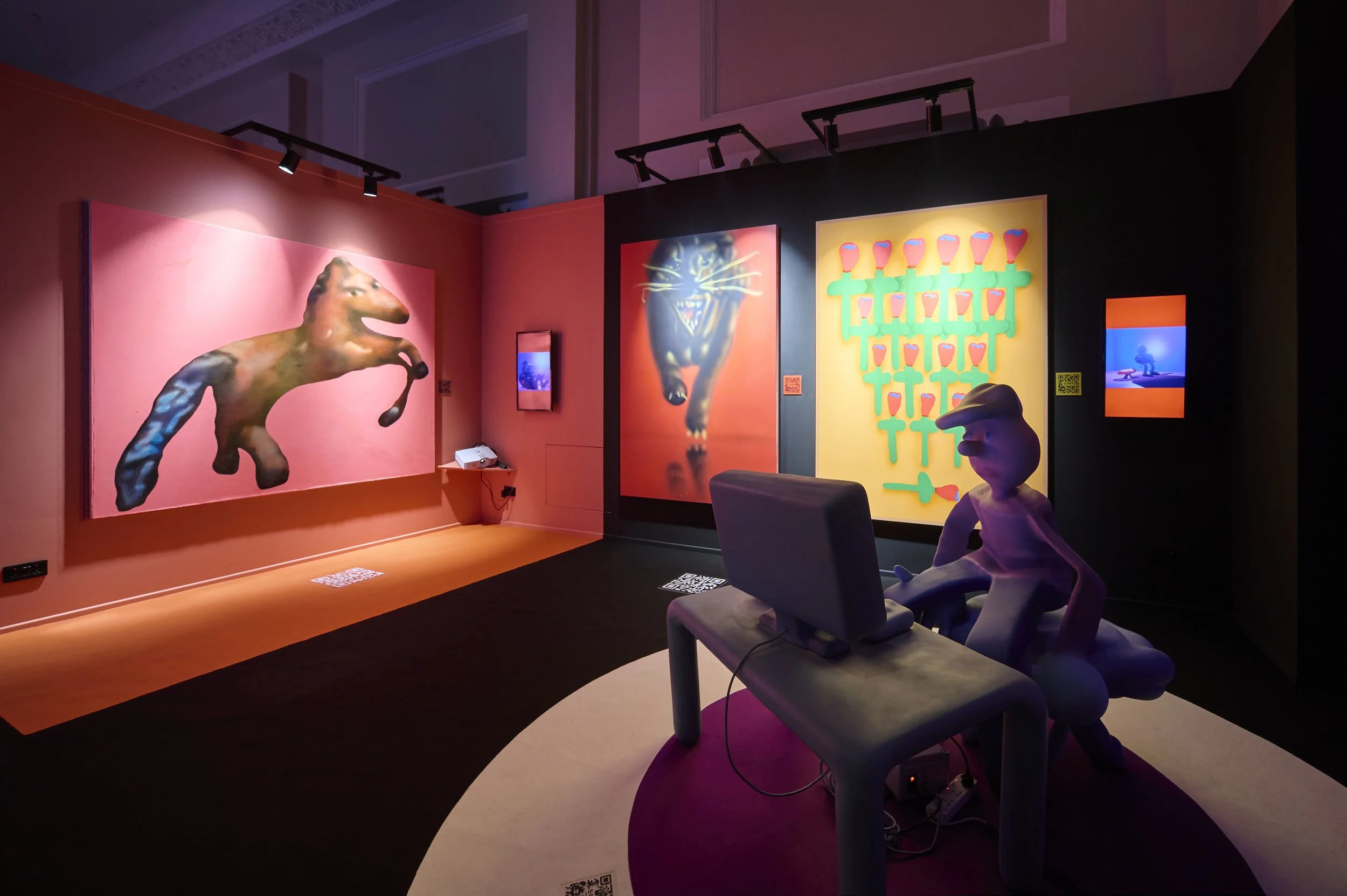
Lian Foundation Gallery View
Fiorenzo Manganiello is an Italian entrepreneur, venture investor, and blockchain academic whose work sits at the intersection of technology, art, and philanthropy. He is the co-founder and managing partner of LIAN Group, a firm that builds and funds companies across blockchain, AI, healthcare, and digital infrastructure. With a background in finance and international business education at institutions like the London School of Economics and IMD Business School, Manganiello has developed a distinctive investor-operator model, where he actively participates in the creation and management of ventures rather than purely funding them. Alongside his entrepreneurial endeavors, he serves as a blockchain lecturer and public commentator, exploring the broader societal implications of digital assets, stablecoins, and technological infrastructure.
In addition to his work in technology and finance, Manganiello is a passionate art collector and cultural patron. Through the LIAN Foundation, he supports emerging artists, promotes education, and fosters cross-disciplinary initiatives connecting art, philanthropy, and technology. His collection spans contemporary, street, and digital art, reflecting a philosophical engagement with creativity, innovation, and cultural legacy. He frequently explores the intersection of art and technology, including NFTs and AI-generated works, and his approach emphasizes the narrative, emotional, and societal value of art alongside its aesthetic and financial dimensions. Manganiello’s career embodies a synthesis of investment, cultural stewardship, and forward-looking engagement with the evolving global landscape of technology and creativity.
We like to start by asking something a little hypothetical. If you hadn’t gone into venture investing and blockchain infrastructure, what path do you think you might have taken instead — finance, academia, art patronage, or something entirely different?
I suspect I would have gravitated toward something connected to health, nutrition, and longevity, perhaps as a nutritionist.
I’ve always been fascinated by how we eat, move and sleep can dramatically affect how someone experiences life.
There’s a famous Latin idea, mens sana in corpore sano, a healthy mind in a healthy body. I’ve always believed that principle applies not only to individuals, but also to entrepreneurship.
In many ways I see entrepreneurship a bit like being an athlete. It requires discipline, focus, and the ability to sustain performance over many years.
So even though my career moved toward building companies and technological infrastructure, the underlying curiosity has remained the same: how do we create systems that allow people to perform, think, and live better over the long term.
You started collecting art at a young age and often talk about how culture shapes the way we see the future. Was that sensitivity to art something you always had, and did it influence the way you approach risk, innovation, or even the human side of technology?
Very much so.
Artists often detect shifts in the cultural atmosphere long before economists or technologists articulate them. They operate closer to intuition, emotion, and ambiguity, which are precisely the territories where new ideas first emerge.
Collecting art therefore acts as a counterbalance to the analytical mindset of finance. It reminds me that the future is not only engineered, it is imagined.
Emerging technologies like AI and crypto have real-world consequences — from job displacement to environmental impact. As someone building and funding in these areas, do you feel a personal responsibility for these effects? And if so, how does it shape the choices you make?
The deeper question is whether the systems we build distribute power wisely or not.
Technology amplifies incentives and opportunities. If incentives are poorly designed, technology accelerates problems. If incentives are aligned, it can expand opportunity.
For this reason, I think responsibility in technology should be framed less as “avoiding harm” and more as designing infrastructure that aligns incentives properly.
The responsibility of builders is to design it with enough openness and that it can evolve in positive directions.
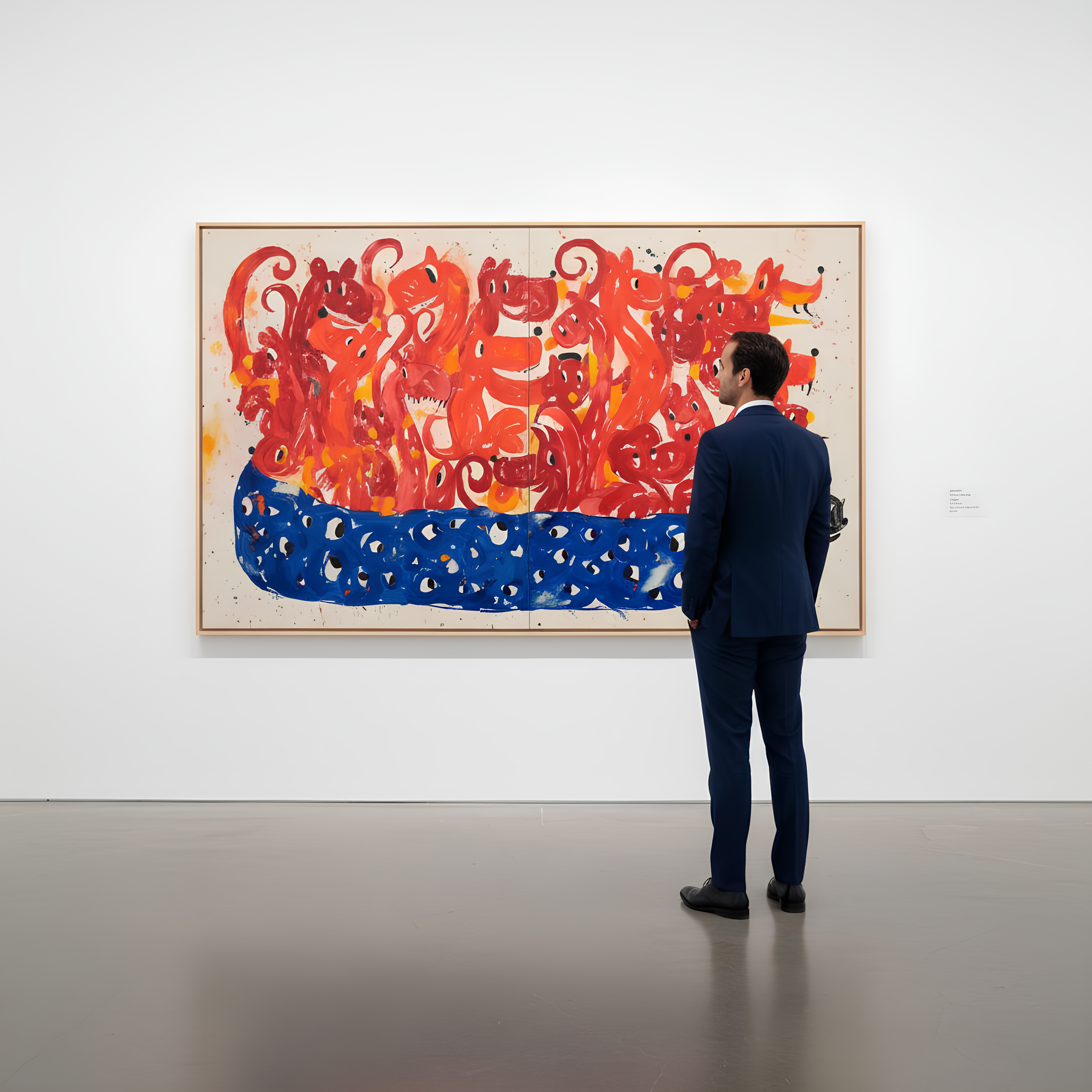
Lian Foundation
You sit at the crossroads of venture investing, blockchain infrastructure, and art collecting. Some critics say there’s a tension between profit and genuine cultural support. How do you navigate that, and what steps do you take to make sure your involvement in both worlds feels authentic?
I don’t see them as inherently contradictory.
Profit becomes problematic when it is the only objective. But markets can also function as discovery mechanisms.
What matters is the time horizon. If your horizon is short, you speculate. If your horizon is long, you support ecosystems.
My approach is to treat ventures and artworks in a similar way: both are long-term bets on ideas about the future.
The early NFT boom made it hard to separate genuine cultural innovation from pure speculation. As someone who invests in and collects digital art, how do you tell which works will have lasting cultural value and which are just riding the market wave?
The same way you distinguish a real company from a bubble.
You look for innovation, originality of language, and whether the work expands the conversation rather than just reacting to the market.
Technology changes quickly, but meaningful ideas tend to persist. The artists who matter are those using technology as a cultural language, not just as a marketing tool.
Your collection spans contemporary, street, and digital art — worlds that often challenge traditional ideas of value and permanence. What ties these categories together for you, and is there an emotional or intellectual thread guiding your acquisitions?
What connects them is generational perspective.
Many of the artists in my collection grew up in a world shaped by the internet, global communication, and digital culture. Their work reflects that environment, even when the medium is physical.
Street art, digital art, and many contemporary practices share the same spirit: they challenge traditional hierarchies and redefine where culture can emerge from.
They represent a generation that is less interested in fitting into institutions and more interested in redefining them.
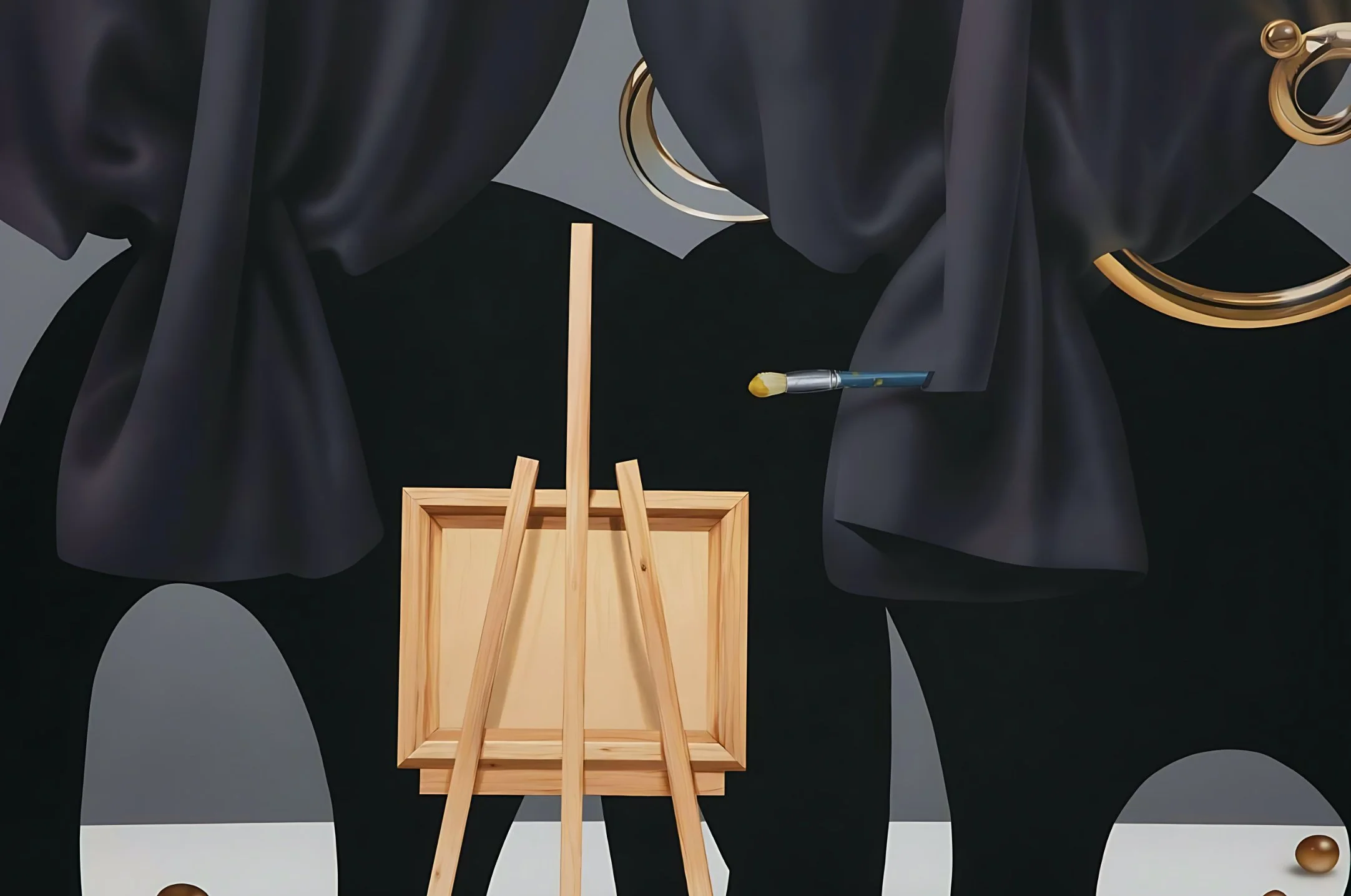
Oli Epp, The Great Unveiling, 2024
Collecting is often called an act of belief — belief in an artist, an idea, or a cultural narrative. When you decide to acquire a piece, is it more about intuition, intellectual resonance, or a sense that it carries meaning beyond today?
It begins with intuition, a sense that the work contains something important even if you cannot fully explain why.
But intuition must be followed by understanding. I try to understand the conceptual framework of the artist and the cultural questions it raises.
The most meaningful acquisitions occur when intuition and intellectual clarity converge.
When that happens, the decision becomes almost inevitable.
Many collectors see their collection as a story about their perspective on the world. Looking at yours as a whole, what story does it tell about our moment, and what kind of future do you hope it points toward?
I think the collection tells the story of a transition.
Our identities, relationships, and economies are increasingly mediated by digital systems. Artists are trying to understand what that means for human experience.
So the collection is less about aesthetics and more about documenting how culture adapts to a technological civilization.
Some people see collecting as preservation, others as participation in culture. Since you also support emerging artists through philanthropy, how do you see your role — mostly as a collector, a patron, or a collaborator in the broader artistic ecosystem?
Ideally a combination of all three.
Through the foundation, I try to move slightly closer to that third role. If collecting is about preservation, the foundation is about creating environments where artists can continue experimenting and where new audiences can engage with their work.
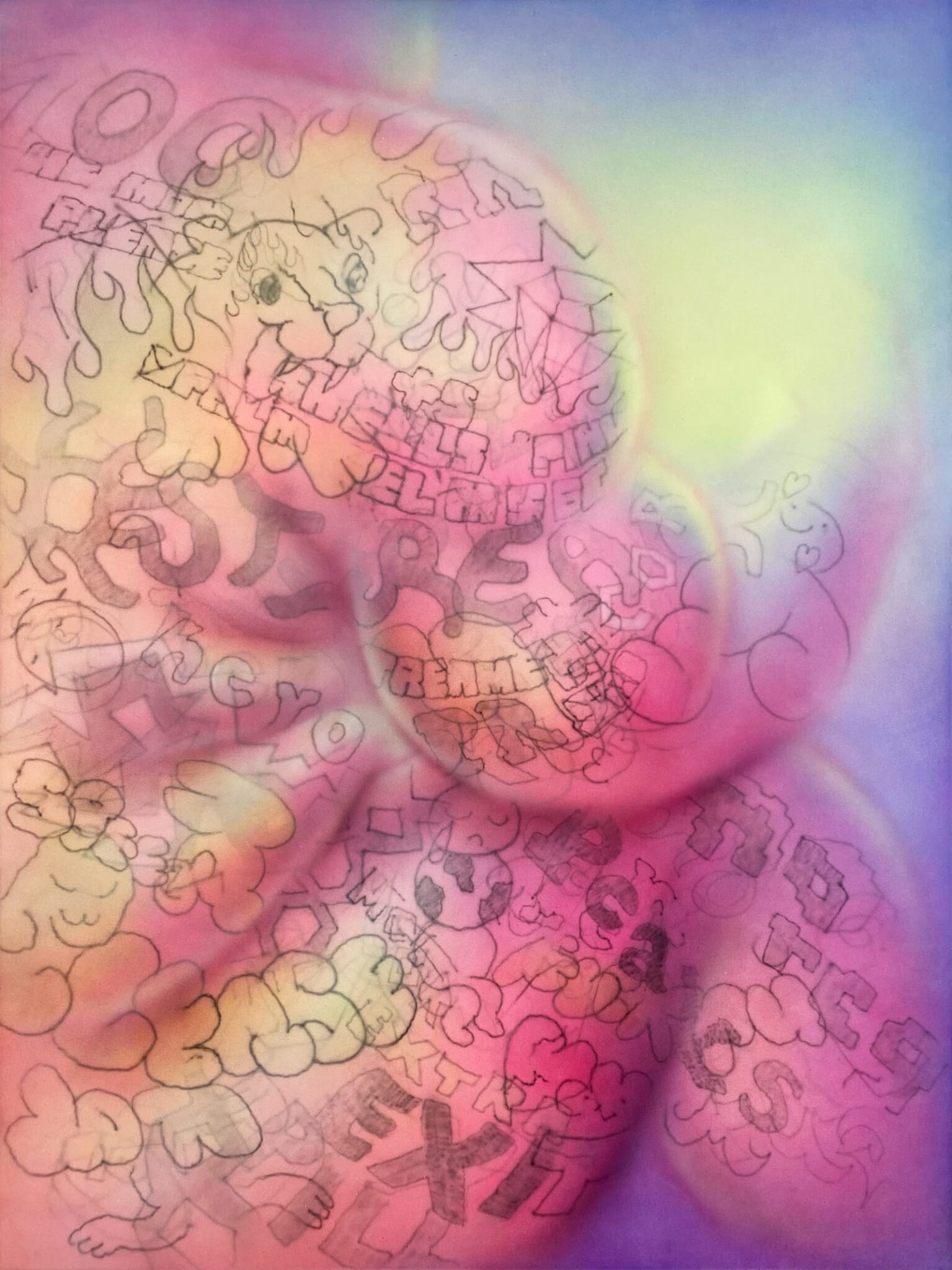
Magda Kirk, Streamer, 2022
Supporting emerging artists often requires patience and a tolerance for uncertainty — a lot like backing early-stage startups. How has your experience in venture investing shaped the way you identify and nurture artistic talent through your foundation?
The most transformative companies rarely look obvious at the beginning. The same is true of artists. So rather than trying to predict immediate success, I focus on supporting artists who are building coherent conceptual languages. If that language is strong enough, the ecosystem eventually forms around it.
Your foundation supports emerging artists, but the market often favors established names. How do you measure success in that tension, and have you ever faced situations where market pressures conflicted with the foundation’s goals?
Markets reward speed and clarity, while artistic innovation often begins in ambiguity. The foundation allows us to support artists during that early phase when ideas are still forming.
Historically, many of the most important artistic movements required exactly that kind of protected environment.
Rather than treating art, education, and social impact separately, your foundation integrates them. What philosophy guided that decision, and how do you choose initiatives that best reflect the mission you want to build?
Because they are inseparable.
Education without culture becomes mechanical.
Bringing them together creates a more complete ecosystem where creativity can actually influence society.
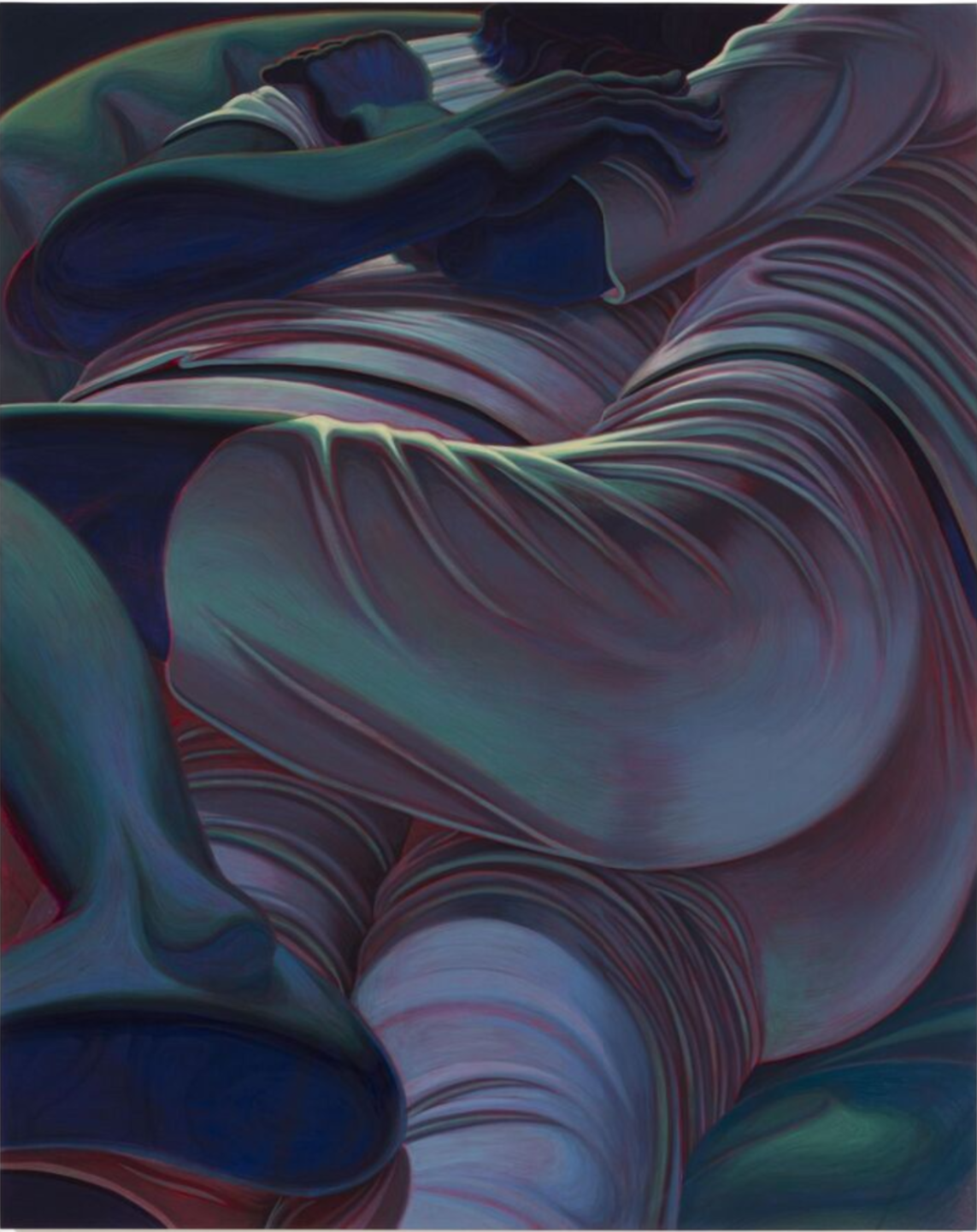
Alex Gardner, Sleeping Through the End, 2023
Digital art now ranges from generative AI and on-chain works to immersive, hybrid physical-digital experiences. Looking ahead, do you think collecting will be mostly digital, or will the most meaningful works continue to exist somewhere between physical and virtual spaces?
I think the most interesting works will exist between physical and digital realities. I don’t think the future is purely digital , humans remain physical beings who experience culture through space, presence, and materiality.
The most powerful works will likely move between these domains, digital in origin, but capable of manifesting across different contexts.
Italy carries a sense of history, Switzerland emphasizes stewardship, and Dubai leans into experimentation. When you look at these regions, where do you see the most exciting artistic innovation today, and what could each place learn from the others?
Innovation today is happening in many places, but if I’m honest, I’d love to see more of it coming from Italy again. We had a pretty good run during the Renaissance, so technically we should know how to do it.
Sometimes I joke that Italy has been living off Michelangelo’s marketing for the last five hundred years. Maybe it’s time for a new chapter
Looking forward, you work at the intersection of technology, art, and philanthropy. How do you see your own role evolving over the next ten years — as a builder of ventures, a collector and patron, or as a thought leader shaping new cultural and technological ecosystems?
My ambition is for the foundation to eventually play an institutional role.
Every major artistic movement in history eventually required new institutions to support it. Digital and internet-native art will be no different.
If the foundation grows in the right way, I would like it to become one of the places where this field is studied, preserved, and exhibited, helping define how this moment in cultural history will be understood in the future.
Finally, is there a question you wish we had asked — or maybe one you hope someone will ask someday?
Maybe the question should be: “What would Leonardo da Vinci be doing today?”
My guess is he would probably be experimenting with AI and confusing both engineers and art critics at the same time.