
Art Talk Magazine · Special Edition Miami 2026
Dominique Lévy
What We Love, What We Own, What Owns Us
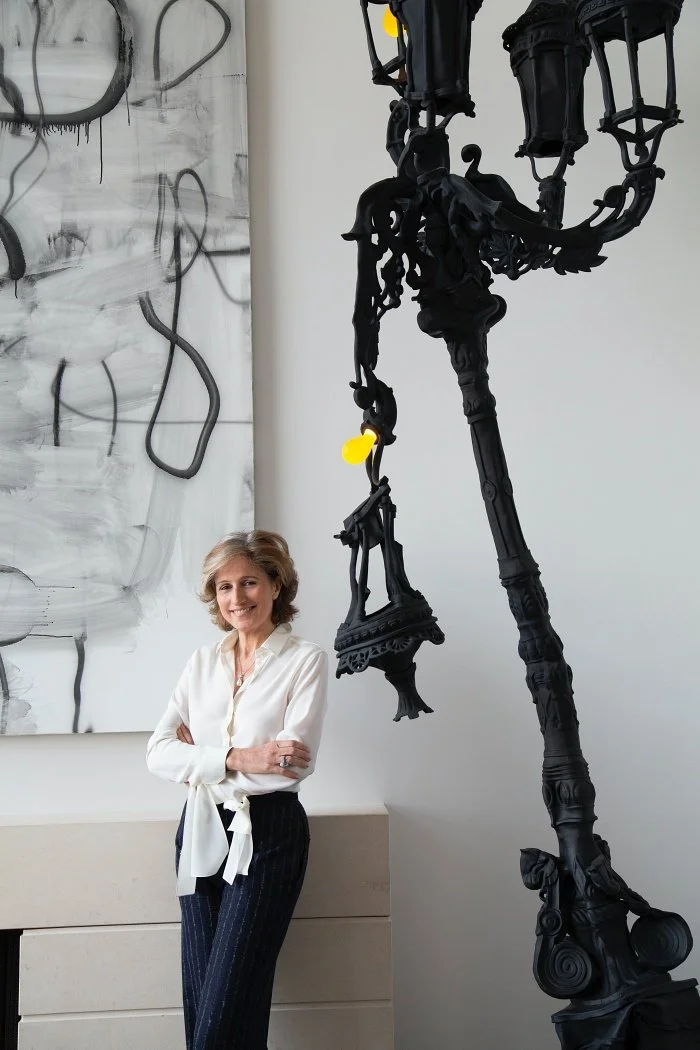
I had the privilege of working side by side with Dominique Lévy for close to a decade. When I first entered her world, I knew virtually nothing about art. Sometimes, even today, I suspect I still don’t. But somewhere along the way, something extraordinary happened. I stopped trying to understand everything I was looking at and began to feel it.
And that, perhaps, is the greatest gift Dominique ever gave me.
She taught me to look. Not simply to recognise an artist, identify a period, appreciate a provenance, or understand a price, but to truly look. To stand in front of a work long enough for something to happen. To accept that not understanding is not a weakness, that knowledge and innocence can coexist, and that the most extraordinary encounters with art often begin precisely where certainty ends.
I may not always understand art. But I feel it. I inhale it. I live it. It has become part of the way I see the world, the way I experience beauty, the way I understand people, and perhaps, most importantly, the way I understand myself.
For that, I have Dominique to thank.
Over those years, I witnessed a woman of extraordinary strength, conviction, intelligence, and determination. A woman who has navigated one of the world’s most demanding and competitive industries without ever losing sight of what brought her there in the first place: love.
Because beneath the formidable reputation, the extraordinary eye, the uncompromising standards, and the remarkable career, there is something that those who have had the privilege of knowing Dominique will recognise. A heart that beats to the rhythm of love. Love for art, certainly. But also love for artists, for ideas, for discovery, for beauty, and for the extraordinary human beings who create it.
What has always struck me most about Dominique is her generosity. Not the generosity of material things, but something infinitely more precious: the generosity of knowledge, of time, of attention. She never made me feel foolish for asking a question, however elementary it might have been. She had the patience to explain, the enthusiasm to share, and, perhaps most remarkably, the humility to remain curious herself.
For someone who has seen so much, she has never lost the capacity to be surprised.
And that is what makes this conversation particularly fascinating.
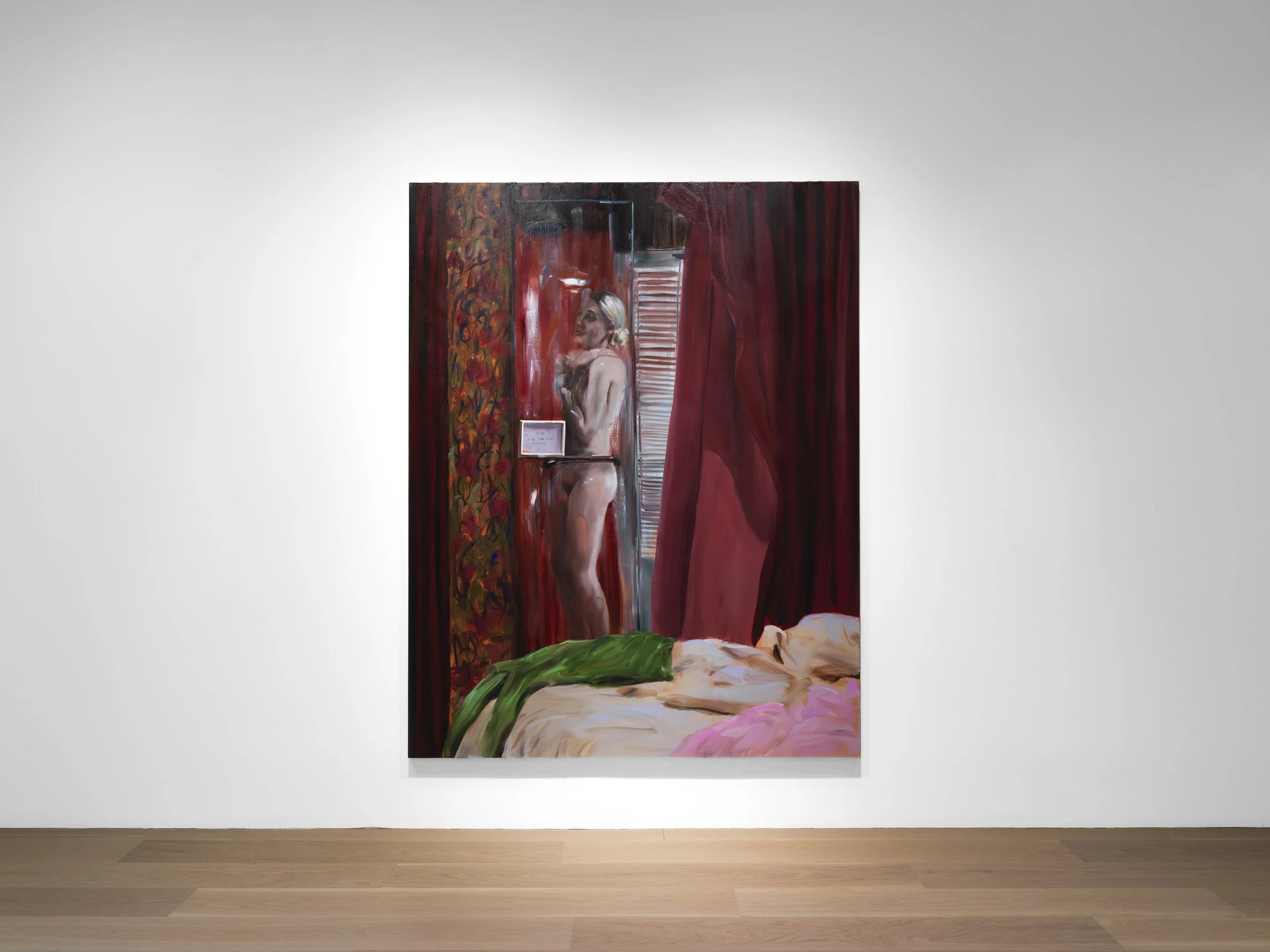
We speak about desire, about the difference between loving something and needing to possess it. About the peculiar moment when a painting stops being an object on a wall and becomes part of the person living with it. About the works that got away, the mistakes that linger, the seduction of a private viewing, and the uncomfortable truth that even the most sophisticated eye can sometimes be wrong.
Dominique reminds us that acquiring a work of art does not necessarily bring desire to an end. Sometimes, it is only the beginning of a much longer relationship. The excitement of the pursuit gives way to the intimacy of living together. A painting that has hung in the same room for years suddenly reveals something previously unseen. Desire returns, transformed into attention.
There is something profoundly human in that observation. We spend so much of our lives pursuing what we do not have, only to discover that the greatest challenge may be learning to see what is already in front of us.
Perhaps the most revealing distinction Dominique makes is between those who buy great art and those who become great collectors. The former may seek confirmation of their taste, status, or success. The latter allow themselves to be changed by what they acquire. They remain curious. They continue asking questions. They understand that possession is not the same as understanding, and that the greatest works never reveal everything.
I cannot help thinking that the same is true of people, of relationships, and of love itself.
There is also a beautiful vulnerability in Dominique’s answers. She speaks of hesitation, regret, attachment, and the occasional confusion between professional judgment and personal emotion. She acknowledges that experience does not make us infallible. That looking requires humility. That letting go can be painful. And that sometimes the greatest price we pay is not for the artwork we acquire, but for the one we were too afraid to pursue.
These are not merely reflections on the art market. They are reflections on being human.
And perhaps that is why, after all these years, I remain so grateful to her.
Dominique did far more than introduce me to the art world. She opened a door to an entirely different way of experiencing life. She taught me that sensitivity is not something to conceal, that passion is something to nurture, and that beauty is not always something we need to explain. Sometimes we simply need to surrender to it.
She helped me discover something I had not yet recognised in myself. A purpose. A passion. A way of connecting with the world through art and through the people who make it possible.
I have carried those gifts with me ever since.
In this interview, you will encounter the Dominique Lévy the art world knows: perceptive, fearless, demanding, and intellectually uncompromising. But I hope you will also discover something of the Dominique I came to know over nearly a decade: a profoundly passionate woman whose greatest pleasure is not simply possessing or selling extraordinary art, but sharing its extraordinary power with anyone curious enough to ask.
Because ultimately, art is not only about what we see.
It is about what we feel.
And sometimes, if we are fortunate enough to encounter the right person along the way, it changes the course of our lives.
Dominique changed mine.
And for that, I will be forever grateful.
Art Talk Magazine: You have said that the essence of looking at art is emotion. But after a lifetime spent looking at extraordinary objects, can you still be completely surprised by an artwork—or does knowledge inevitably steal something from the first encounter?
Dominique Levy: Yes, but differently. At twenty, surprise was innocence meeting something it had no words for. Now it is knowledge being contradicted. I walk in thinking I understand a painter, and the work tells me I don’t. Knowledge is complementary to innocence. It gives back the ability to be wrong in front of a work, which is its own kind of first encounter.
ATM: You once compared collecting art to falling in love. So let us take that seriously: what is the difference between loving a work of art and wanting to possess it?
DL: Love is content to look. Possession wants to stop time, to make sure the looking never ends. I have loved many works I never tried to own, in museums, in other people’s homes, in public spaces. The wanting begins when you imagine the absence. You picture leaving the room and the work staying behind, and something in you refuses. That refusal is the collector’s moment. It is not only love; It is also love’s fear.
ATM: Desire often depends upon distance. We want what we cannot quite have. As a dealer, what happens to desire the moment the painting is bought, paid for and hanging above the sofa?
DL: It changes register. The hunt ends and the marriage begins, and marriages are not less interesting than courtships, only quieter. The works that survive the sofa are the ones that keep withholding something. You live with them for years and one morning, in a certain light, you see a passage you had never noticed. Then desire returns, not as appetite but as attention. The paintings that don’t do that get sold. That is not a failure of the collector. It is information.
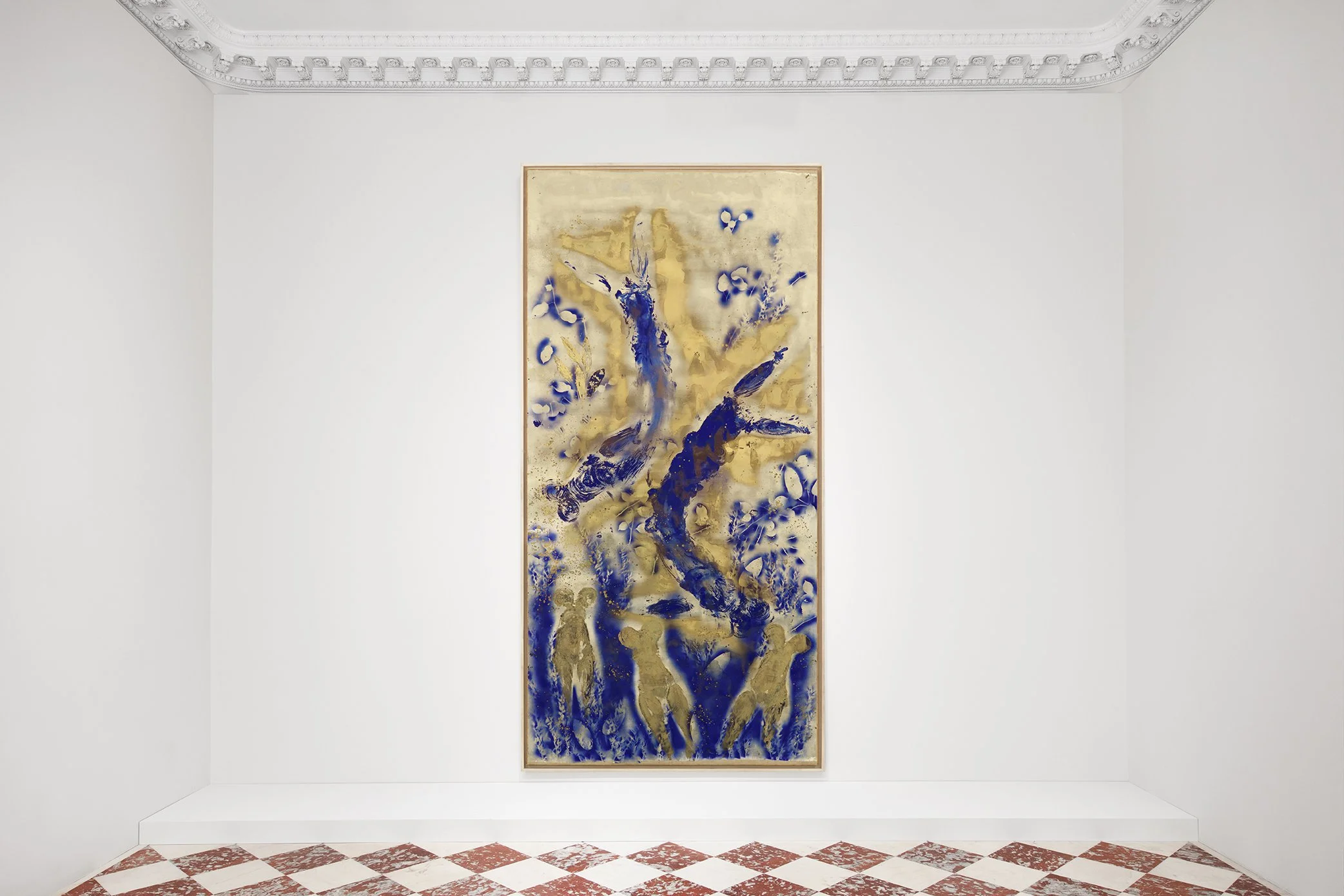
ATM: You have spent your career surrounded by objects that have extraordinary financial value. Can you still look at a painting and forget its price?
DL: In the first thirty seconds, yes. The price arrives afterwards, like someone entering the room. I have trained myself to let those seconds be clean, because they are the only honest data I will ever get about a work. Everything after is negotiation, with the market or with myself. I don’t pretend the price disappears. It is part of the object’s biography now. But it is not the object.
ATM: There is an almost erotic quality to discovering a great artwork privately —the first viewing, the secrecy, the anticipation, perhaps even knowing that somebody else wants it. How important is seduction in the art world?
DL: It matters, and I distrust it. Seduction is how most people first arrive at a work, the private viewing, the lowered voice, the knowledge that someone else is circling. I have staged these moments. They work. But a seduction that isn’t backed by the work itself is a trick, and the collector finds out very soon. The real seduction is slower. It is a painting that is better on the fifth visit than the first. Nothing I say in a back room can produce that.
ATM: A collector walks into your gallery and immediately falls in love with the wrong painting. You know there is another work that is more important, more difficult and perhaps ultimately more rewarding. Do you respect the first desire, or try to change it?
DL: I respect the first desire and I argue with it. Those are not opposites. I will say what I think, plainly, about the other work. Then I stop. A collector who buys what I think they should buy, against their own instinct, has bought my eye and rented a painting. That doesn’t last. The best outcome is that they leave with the one they loved and come back a year later for the one I loved. Both happen. Sometimes they were right and I was wrong.
ATM: You have spoken beautifully about living with art and about certain works becoming almost impossible for you to move. When does an artwork stop being something we own and become something that owns a part of us?
DL: When you can no longer imagine the wall without it. Not the room, the wall. I have works I could sell for reasons any accountant would applaud and I don’t, and I have stopped looking for a sophisticated explanation. They have become part of how I know where I am. Moving them would be a small dislocation, like changing the position of a window. I think this is what people mean when they say a collection has a soul. It is not the objects. It is that the owner has surrendered.
ATM: Collectors often talk about “the one that got away.” After decades of buying, selling and placing extraordinary works, is there one artwork you still think about because you couldn’t have it?
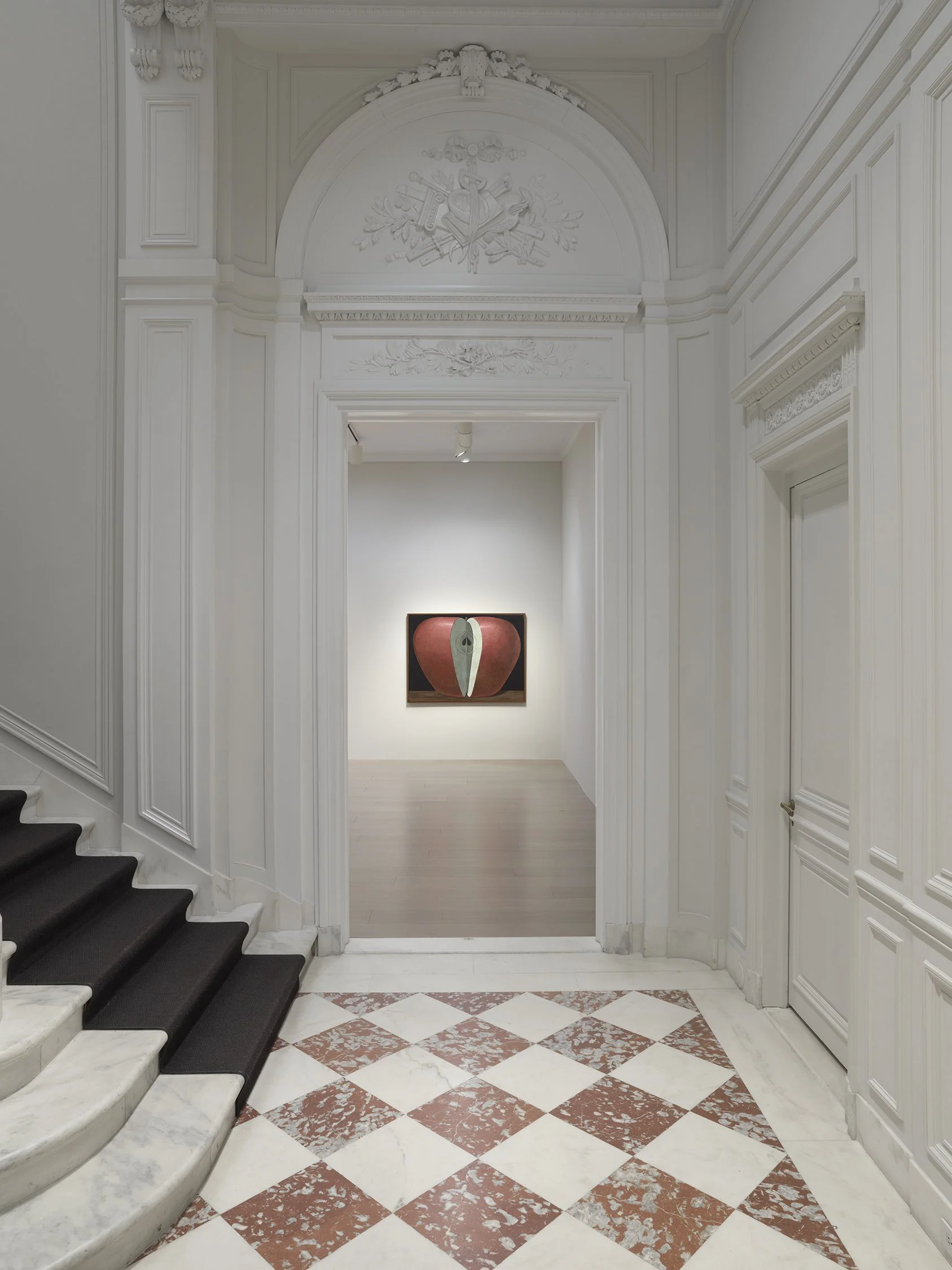
DL: There is one. I won’t name it, because the owner reads magazines. What stays is not the object but the moment I let it go, a hesitation of perhaps a day. I told myself I was being prudent. I was being afraid. I think of it less as a loss than as a lesson in the price of caution, which in this field is often higher than the price of the work.
ATM: And the opposite: have you ever sold or let go of a work and immediately known that you had made a mistake?
DL: Yes. More than once, and the feeling is physical, somewhere between the stomach and the throat. The strange thing is that the mistakes were never about money. The price was fine. What I had misjudged was my own attachment, which I had mistaken for professional appreciation. One learns to tell them apart. Not perfectly.
ATM: The art world loves the word collector, but collecting can contain love, scholarship, obsession, competition, vanity, status and possession. What separates a great collector from somebody who simply buys great art?
DL: A great collector is changed by what they buy. The others are confirmed by it. You can hear the difference in how they speak about a work after five years. The buyer tells you what it is worth and who else wanted it. The collector tells you what they no longer understand about it. Scholarship, competition, vanity, these are all present in both, and I don’t moralize about them. But a great collection has a question running through it, and the collector is still trying to answer it.
ATM: Today we can know almost everything about an artwork before standing in front of it—its auction history, provenance, previous owners, estimates, Instagram appearances. Have we become so informed that we have forgotten how to look?
DL: We have learned to recognize, which is not the same thing. Recognition is fast and satisfying. You see the work, you match it to the image, the price, the owner, and the mind closes. Looking is slower and less flattering. It requires not knowing what you think. I don’t blame the information. I blame the speed. The remedy is boring: stand there longer than is comfortable. Most people leave at the exact moment the work is about to start.
ATM: You have built exhibitions in which works speak to one another across artists, periods and movements. When two works are placed together, can one make the other more desirable—or even destroy our desire for it?
DL: Both things happen, and that is why I do it. A pairing can lend a work a gravity it doesn’t have alone, and I have watched collectors love or desire a painting because of its neighbor. That is a real risk and I try to be honest about it. But a pairing can also expose a work, show you that it is louder than it is deep. A juxtaposition is a question put to both works at once. Sometimes one of them doesn’t survive the question. Better in my gallery than on your wall.
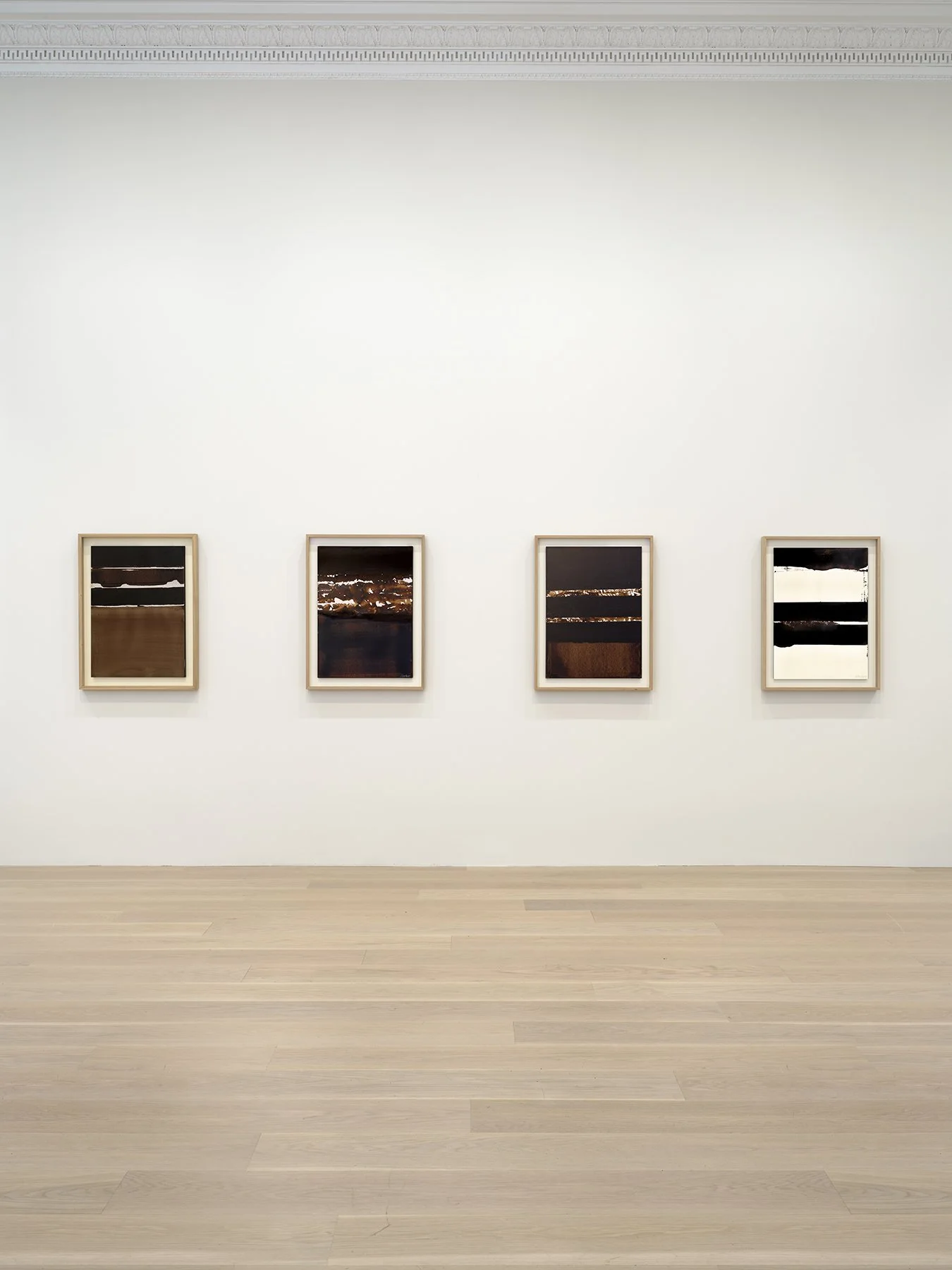
ATM: There is something wonderfully contradictory about being a gallerist: you protect art, contextualise it, write about it, exhibit it and love it—and eventually you must sell it. How do you put a price on something you believe should first be experienced emotionally?
DL: I separate the two acts in time. Looking happens first, with no number in the room. The number comes later, and it is not a judgment on the emotion. It is a judgment on scarcity, condition, history, demand, things that can be argued about. The emotion cannot be argued about and I don’t try to price it. If a collector asks me whether a work is worth the money, I tell them that is the wrong question. The right question is whether they can live without it. The price only tells them what living with it costs.
ATM: You recently questioned what the role of the gallery should be as art becomes increasingly dominated by business and transaction. So let us push that further: if every artwork in your gallery suddenly became impossible to sell, what would remain of the gallery?
DL: A gallery is a place where someone has looked hard at an artist and is willing to say so in public. The selling pays for that and sometimes threatens it. Remove the selling and you would have an argument made of objects, which is close to what an exhibition is anyway. I am not naive. Without sales the lights go out. But if I ask what I would miss, it is not the invoice. It is the moment a stranger stands in front of something I placed and goes quiet.
ATM: You have also resisted the idea that bigger automatically means better. In an art world obsessed with expansion—more spaces, more fairs, more artists, more cities—has intimacy become a radical act?
DL: I don’t know if it is radical. It is simply what I can do well. I have never understood the pleasure of having forty artists you see twice a year. I want to know a painter’s studio, their doubts, which works they regret. That takes a small number of relationships and a lot of time. The market rewards reach, and reach is a legitimate way to run a business. It is not how one looks at art. I decided some years ago which of those two I was in.
ATM: You have said that art can transform the person looking at it. When was the last time an artwork genuinely changed something in you— not your opinion about art, but something about yourself?
DL: Recently, and I would rather describe the shape of it than the name. It was a work made by someone late in life, when there was nothing left to prove and no energy to waste. What it changed was my relationship to time. I have spent decades being quick, and this object was the opposite of quick. I came out of the room wanting to do fewer things, and to do them completely. I can’t say I have succeeded. But the wanting hasn’t gone away, and I can trace it to one afternoon.
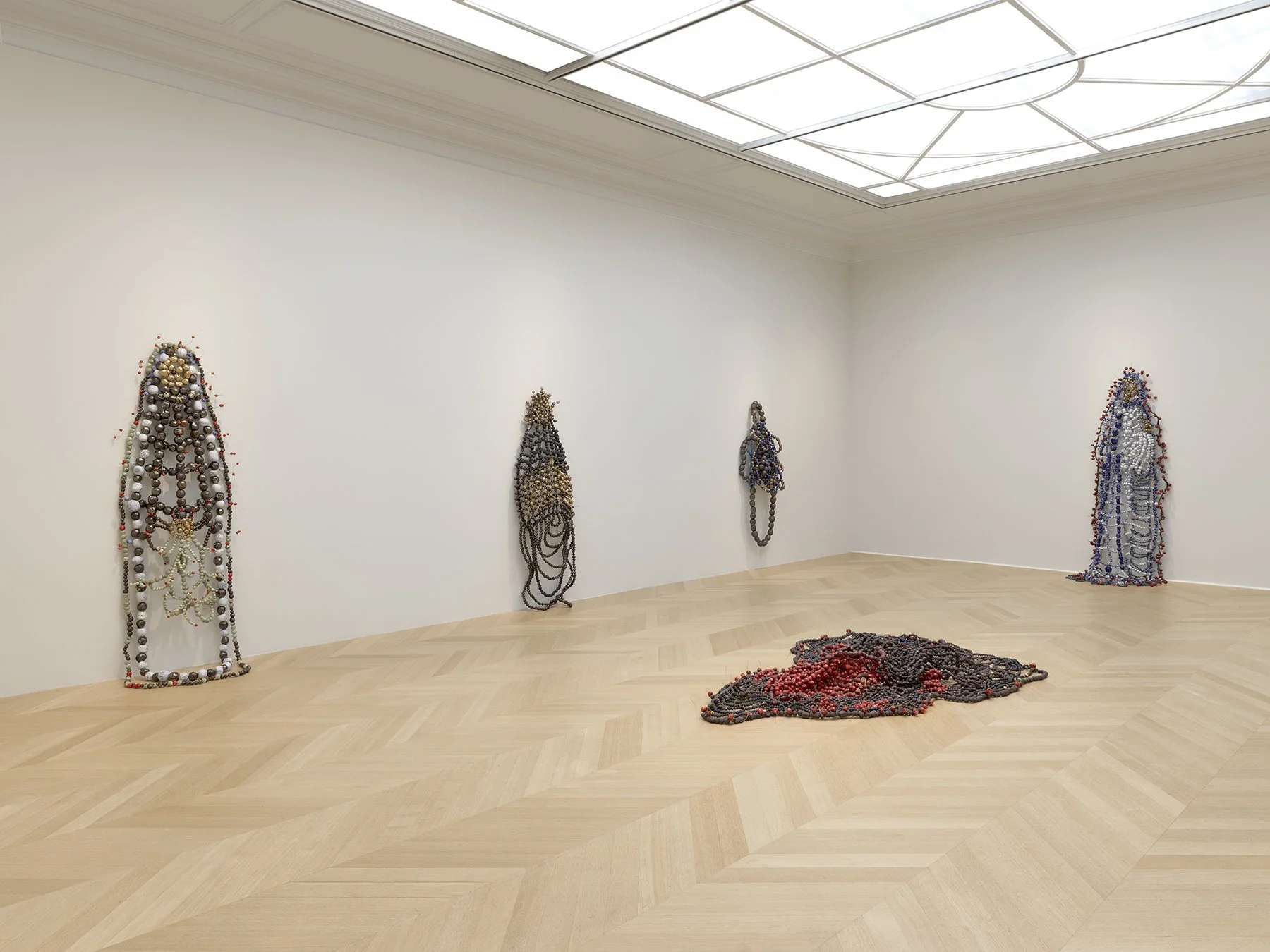
ATM: You have spent much of your life between artists and collectors. Artists create something they eventually have to release; collectors acquire something they often struggle to release. Who understands desire better: the person who makes the object, or the person who cannot live without it?
DL: The artist, because they have practiced letting go. Every work leaves the studio. Collectors mostly learn the first half of desire, the wanting, and resist the second half. I have great sympathy for them. I am one. But I have watched artists stand in front of a work they made thirty years ago and look at it like a stranger, with curiosity and no grief. That is a freedom most collectors never reach.
ATM: Let us remove reputation completely. No artist’s name. No gallery label. No auction result. No provenance. No catalogue essay. Just an unknown object in an empty room. Do you believe your eye would still know?
DL: I would like to say yes, and I will say mostly. The eye is real. It has been trained on tens of thousands of objects and it registers quality before the mind catches up. But the eye also carries its habits, and an unknown object outside the eye’s history could fool it in either direction. What I trust more than my eye is my second visit.
ATM: You once wanted theatre, the circus and performance before finding your place in art. Perhaps the gallery contains something of all three: spectacle, risk, illusion, anticipation and an audience. After nearly forty years in the art world, what can still make you hold your breath?
DL: Hanging and installing art. The hours before an opening when the works are up and no one has seen them yet. There is spectacle in a gallery, and risk, and certainly an audience. But that interval belongs to none of them. It is just the works and the room, settling into each other, and the possibility that I have understood something no one else has, or that I have been wrong in public. I have done this hundreds of times. The breath still catches. The day it doesn’t, I will know it is time to stop.
ATM: Finally, Dominique, imagine that tomorrow morning you are allowed to keep only one artwork from everything you have ever owned, handled, sold, exhibited or encountered. It has no financial value and nobody will ever see it except you. What do you choose—and why that one?
DL: I would choose something small enough to carry and quiet enough to live with. Not the most important work I have handled. Something that has nothing to do with my career, that I never sold or placed or wrote about. I would want a work that could stand that much attention for the rest of my life. There are very few. I have one in mind.